Environmental Impacts:
* Climate Change: Forests are vital carbon sinks, absorbing vast amounts of CO2 from the atmosphere. Deforestation releases this stored carbon, exacerbating climate change.
* Biodiversity Loss: Forests are home to a vast array of species, many of which are endangered or threatened. Clearing forests destroys their habitats, leading to extinction.
* Soil Erosion: Tree roots help bind soil, preventing erosion. Deforestation leaves the soil exposed, leading to landslides and soil degradation.
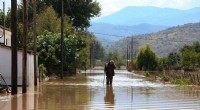
* Water Cycle Disruption: Forests play a crucial role in the water cycle, regulating rainfall and stream flow. Deforestation disrupts this balance, leading to droughts and floods.
* Air Quality: Forests filter air pollution and release oxygen. Deforestation reduces air quality, contributing to respiratory problems and other health issues.
Social and Economic Impacts:
* Displacement of Indigenous Peoples: Forests are often the ancestral homelands of indigenous peoples. Deforestation displaces them, disrupting their culture and livelihood.
* Loss of Livelihoods: Many communities rely on forests for food, medicine, and other resources. Deforestation destroys these livelihoods.
* Economic Decline: Forests provide valuable timber, medicines, and other resources. Deforestation can lead to economic decline as these resources are depleted.
Long-Term Consequences:
* Desertification: Deforestation can lead to desertification, making land unsuitable for agriculture or other uses.
* Water Scarcity: Deforestation disrupts the water cycle, leading to water scarcity and affecting access to clean water.
* Increased Disease Risk: Deforestation can create breeding grounds for disease vectors, increasing the risk of infectious diseases.
Alternatives to Indiscriminate Forest Clearance:
* Sustainable Forestry Practices: Implementing sustainable forestry practices, such as selective logging and reforestation, can help conserve forests while still utilizing their resources.
* Protecting Areas: Establishing protected areas and national parks can help preserve vital ecosystems and biodiversity.
* Investing in Renewable Energy: Transitioning to renewable energy sources reduces the demand for fossil fuels, decreasing the need for deforestation.
* Promoting Sustainable Agriculture: Supporting sustainable agricultural practices, such as agroforestry and organic farming, can reduce deforestation pressure.
In conclusion, indiscriminately clearing forests has far-reaching and detrimental consequences for the environment, society, and the economy. Adopting sustainable practices and alternatives is crucial to protect these vital ecosystems for present and future generations.