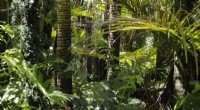
Tidal forests, also known as mangrove forests, are unique ecosystems found along tropical and subtropical coastlines. They thrive in areas with a mix of freshwater and saltwater, experiencing regular flooding and draining with the tides.
Key Features:
* Salt-tolerant Trees: These forests are dominated by salt-tolerant trees, like mangroves, which have special adaptations to survive in saline conditions.
* Intertidal Zone: Located in the intertidal zone, the area between high and low tide marks, these forests are submerged during high tide and exposed at low tide.
* High Biodiversity: They support a diverse range of plant and animal life, including fish, crabs, birds, and reptiles.
* Essential Ecosystem Services: Tidal forests provide numerous ecosystem services, such as shoreline protection, water filtration, carbon sequestration, and nursery grounds for fish and other marine life.
Threats:
Despite their importance, tidal forests are facing threats such as:
* Deforestation: Conversion for agriculture, aquaculture, and development.
* Pollution: Runoff from agriculture and industrial activities.
* Climate Change: Sea level rise and extreme weather events.
Conservation:
Protecting tidal forests is crucial for the health of coastal ecosystems and the livelihoods of coastal communities. Conservation efforts include:
* Sustainable Management: Promoting sustainable fishing and forestry practices.
* Restoration: Planting new mangroves to restore degraded areas.
* Awareness: Raising public awareness about the importance of these forests.
Tidal forests are vital ecosystems that play a critical role in the health of our planet. Their unique characteristics and critical services make them worthy of protection and sustainable management.