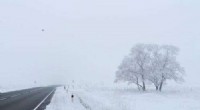
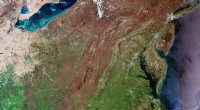
* Climate: Deciduous forests experience a wider range of temperatures and precipitation throughout the year, with distinct seasons. This variation in climate allows for a greater diversity of plant and animal species to thrive. Boreal forests, in contrast, have a colder, shorter growing season and less precipitation, limiting the types of organisms that can survive.
* Plant Life: Deciduous forests boast a greater variety of tree species, including oaks, maples, and beeches. They also have a more diverse understory, with shrubs, ferns, and wildflowers. Boreal forests are dominated by a few conifer species, such as spruce, fir, and pine, leading to a less varied plant community.
* Animal Life: The diverse plant life in deciduous forests supports a richer and more complex animal community. Deciduous forests are home to a wide range of mammals, birds, reptiles, amphibians, and insects. Boreal forests have a smaller variety of animals, with adaptations for surviving cold winters, such as thick fur and hibernation.
* Sunlight: Deciduous forests receive more sunlight due to the absence of leaves during winter, allowing for a wider range of plants to grow. Boreal forests, with their dense conifer canopy, experience lower light levels, limiting the types of plants that can flourish.
* Soil: Deciduous forests generally have richer and deeper soils than boreal forests. The decomposition of leaves and other organic matter creates a more fertile environment, supporting a greater diversity of plants and animals.
However, it's important to note:
* Diversity can be measured in different ways, and it's not always a simple comparison. For example, while a boreal forest may have fewer species overall, it might have a high density of certain species, leading to a different type of diversity.
* The specific biodiversity of a forest is also influenced by factors such as latitude, elevation, and local disturbances.
In conclusion, while both forest types are important ecosystems, deciduous forests generally exhibit a greater diversity of species due to their more favorable climate, richer soil, and greater variety of plant life.