Based on its physical properties:
* A terrestrial planet: Earth is a rocky planet with a solid surface, unlike gas giants like Jupiter and Saturn.
* The third planet from the Sun: Its position in the solar system plays a crucial role in its climate and habitability.
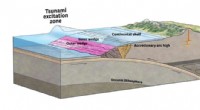
* A geologically active planet: Earth experiences plate tectonics, volcanic activity, and erosion, constantly reshaping its surface.
* A blue planet: From space, Earth appears blue due to the vast amounts of water covering its surface.
* A planet with a diverse biosphere: Earth is the only known planet to harbor life, with a wide range of ecosystems and species.
Based on its composition:
* A planet composed mostly of iron, silicon, oxygen, magnesium, and other elements: These elements form the Earth's core, mantle, and crust.
* A planet with a thin atmosphere: Our atmosphere is primarily composed of nitrogen and oxygen, protecting us from harmful radiation and regulating temperature.
* A planet with a large hydrosphere: Water covers approximately 71% of the Earth's surface, playing a vital role in climate and life.
Based on its unique characteristics:
* A planet with a stable climate: Earth's climate has remained relatively stable for millions of years, allowing life to flourish.
* A planet with a strong magnetic field: The Earth's magnetic field protects us from harmful solar radiation.
* A planet with a complex system of interconnected ecosystems: All life on Earth interacts with each other and the environment, creating a delicate balance.
Based on its current state:
* A planet facing challenges like climate change and pollution: These issues are impacting Earth's ecosystems and the future of life.
* A planet with a growing human population: The increasing human population puts pressure on resources and the environment.
* A planet with potential for continued exploration and discovery: Scientists are constantly learning more about Earth and its history.
Ultimately, scientists describe Earth as a dynamic, complex, and fascinating planet that is constantly evolving. It is a place of incredible diversity, beauty, and challenges, and its future depends on how we choose to interact with it.