1. A Landscape with Little Variety:
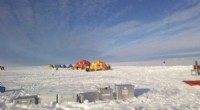
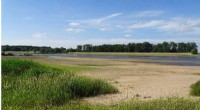
* This could describe a landscape with minimal variation in elevation, vegetation, or geological features. For example, a vast, flat plain or a dense, uniform forest could be considered uniform.
* This type of landscape often lacks the visual interest of more diverse landscapes, but it can have its own unique beauty and ecological importance.
2. A Landscape Shaped by a Single Process:
* Some landscapes are dominated by a single geological or environmental process that shapes their overall character.
* For example, a glacial valley carved by glaciers, a coastal plain formed by erosion and deposition, or a volcanic landscape shaped by volcanic activity could be considered relatively uniform.
3. A Landscape with a Specific Human Impact:
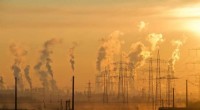
* A landscape can appear uniform due to human intervention. Agricultural fields, urban areas, or mining operations can create landscapes with very similar features, often at the expense of natural diversity.
4. A Landscape with Uniform Microtopography:
* This refers to the small-scale variations in elevation within a landscape. A landscape with uniform microtopography might have a smooth surface, with few hills, valleys, or other features.
To understand your question better, it would be helpful if you could provide more context. For instance, are you interested in:
* The specific features of a uniform landscape?
* The processes that create uniform landscapes?
* The ecological significance of uniform landscapes?
* Examples of uniform landscapes around the world?
By providing more information, I can give you a more accurate and comprehensive answer.