1. Physical Weathering:
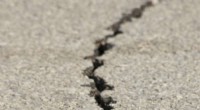
* Root Growth: As roots grow, they can wedge into cracks in rocks, applying pressure that widens them. This process is called root wedging. Over time, this can lead to the breakdown of rocks into smaller pieces.
* Tree Throw: Large trees can uproot and topple, dislodging rocks and causing them to break apart.
2. Chemical Weathering:
* Organic Acids: Plants release organic acids through their roots and decaying leaves. These acids can react with minerals in rocks, dissolving them and causing chemical weathering.
* Lichen: Lichens, symbiotic organisms made up of fungi and algae, are often found on rocks. They can produce acids that break down the rock surface.
3. Biological Weathering:
* Burrowing Animals: Animals that live in the soil, such as earthworms and rodents, can bring rock fragments to the surface, exposing them to further weathering.
4. Soil Formation:
* Decomposition: Plant material decomposes and forms humus, a key component of soil. This process helps break down rocks into smaller particles, contributing to soil formation.
* Nutrient Cycling: Plants absorb nutrients from rocks and release them back into the soil when they die, further enriching the soil and contributing to the weathering process.
Long-Term Effects:
* Landscapes: Over long periods, the weathering caused by plants can contribute to the formation of distinctive landscapes, such as valleys and canyons.
* Soil Development: Plant activity plays a vital role in creating and maintaining healthy soils, which are essential for plant growth and the support of various ecosystems.
In summary, plants have a complex and important relationship with rocks, contributing to their weathering and breakdown, soil formation, and ultimately shaping the Earth's landscape.