Living near a forest can be an idyllic experience, offering numerous advantages. However, it also comes with some disadvantages you should consider:
Advantages:
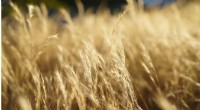
* Nature's beauty and tranquility: Forests offer stunning scenery, fresh air, and a peaceful atmosphere.
* Health benefits: Studies show that spending time in nature can reduce stress, improve mood, and boost creativity. The forest air is also cleaner and richer in oxygen.
* Recreational opportunities: Forests provide endless opportunities for hiking, biking, camping, fishing, birdwatching, and other outdoor activities.
* Wildlife encounters: Living near a forest allows you to observe wildlife in their natural habitat, from small animals to larger mammals.
* Privacy and seclusion: Forests can provide a sense of privacy and seclusion, especially if you live further away from populated areas.
* Increased property value: Homes located in forested areas often command higher property values due to the desirable surroundings.
* Reduced noise pollution: Forests can act as natural sound buffers, reducing noise from traffic and other sources.
Disadvantages:
* Wildlife encounters: While fascinating, encountering wildlife can be a challenge. Some animals can be dangerous, and others may cause damage to your property.
* Insect and pest issues: Forests are home to numerous insects and pests, which can be a nuisance and sometimes pose health risks.
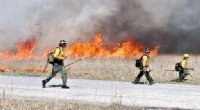
* Fire hazards: Wildfires are a constant threat in forested areas, requiring vigilance and preventative measures.
* Limited access: Living in a remote forested area can mean limited access to services, shops, and healthcare.
* Potential for isolation: While some enjoy the seclusion, others may find it isolating, especially if they are not used to living in a rural setting.
* Impact on infrastructure: Forests can impact infrastructure, such as roads and power lines, which may require frequent maintenance.
* Increased risk of allergies: Pollen and mold spores can be more prevalent in forested areas, potentially triggering allergies.
* Higher cost of living: Homes in forested areas are often more expensive due to the desirability of the location.
Ultimately, the decision of whether or not to live near a forest is a personal one. Weigh the advantages and disadvantages carefully, considering your lifestyle and preferences. If you enjoy nature and appreciate the peace and tranquility it brings, living near a forest might be the perfect choice. However, if you prefer the convenience and amenities of urban living, you may be better off in a more populated area.