1. Elevation and Topography:
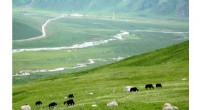
* Higher Elevation = Cooler Temperatures: As you move higher in elevation, the air becomes thinner and less dense. This means there are fewer air molecules to absorb and hold heat, leading to cooler temperatures. For example, mountainous regions are generally colder than surrounding lowlands at the same latitude.
* Orographic Lifting and Precipitation: When air masses encounter mountains, they are forced to rise. As the air ascends, it cools, leading to condensation and precipitation on the windward side of the mountain (the side facing the wind). This is why mountain ranges can have significantly more rainfall than surrounding areas. The leeward side of the mountain, shielded from the wind, often experiences a rain shadow effect, with drier conditions.
2. Proximity to Water Bodies:
* Moderating Temperatures: Water has a higher heat capacity than land, meaning it takes longer to heat up and cool down. Large bodies of water, like oceans and lakes, act as thermal regulators. Coastal areas experience more moderate temperatures compared to inland areas, with warmer winters and cooler summers.
* Moisture and Precipitation: Water bodies provide a source of moisture for the atmosphere. Air flowing over water picks up moisture, which can lead to increased precipitation in coastal regions. This is especially true for areas close to warm ocean currents.
These are just two examples of how physical geography influences weather. Other factors, such as latitude, vegetation, and soil type, also play a role in shaping local weather patterns.