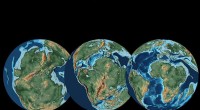
1. Understanding the Natural World: This encompasses studying how living organisms interact with their physical environment, including:
* Ecosystem dynamics: Understanding how energy flows, how nutrients cycle, and how species interact within ecosystems.
* Global processes: Studying climate change, pollution, and other large-scale environmental issues.
* Human impacts: Examining the ways in which human activities affect the environment.
2. Solving Environmental Problems: This focuses on finding practical solutions to issues like:
* Pollution control: Developing methods to reduce air, water, and soil pollution.
* Resource management: Managing natural resources (water, land, minerals) sustainably.
* Biodiversity conservation: Protecting endangered species and habitats.
3. Promoting Sustainability: This aims to ensure that human activities can continue indefinitely without degrading the environment, focusing on:
* Sustainable development: Finding ways to meet human needs without compromising the needs of future generations.
* Environmental policy: Developing and implementing policies to protect the environment.
* Public education: Raising awareness and promoting responsible environmental behavior.
These goals are interconnected. Understanding the natural world is crucial for solving environmental problems, and solving those problems is necessary for achieving sustainability.