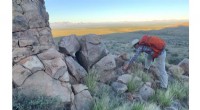
1. Parent Material: It all starts with the bedrock – the solid rock beneath the soil. Over time, the bedrock breaks down through weathering processes like freezing/thawing, wind, and rain. This creates regolith, the loose, broken rock that acts as the foundation for soil development.
2. Biological Activity: Once the regolith is present, organisms like bacteria, fungi, insects, and plants begin to colonize it. Their activities, including decomposition and nutrient cycling, alter the regolith's composition.
3. Climate: The climate plays a critical role in shaping the soil. Factors like temperature, rainfall, and humidity influence the rate of weathering, decomposition, and the types of organisms that can thrive.
4. Topography: The shape and slope of the land surface affect how water flows and how soil is eroded. This impacts the depth and distribution of soil horizons.
5. Time: Soil formation is a slow and gradual process. It can take hundreds or even thousands of years for distinct horizons to develop.
How Soil Horizons Form:
These five factors interact to create the different soil horizons. For example:
* O Horizon (Organic Horizon): This top layer is formed by the accumulation of decaying plant and animal matter. It is rich in organic matter, which contributes to the soil's fertility.
* A Horizon (Topsoil): This layer is a mix of mineral particles and organic matter. It's where most plant roots grow and where the majority of biological activity occurs.
* E Horizon (Eluviated Horizon): This layer is found in some soils, particularly those with high rainfall. It is characterized by the leaching of minerals and organic matter downwards, leaving behind a lighter-colored layer.
* B Horizon (Subsoil): This layer is characterized by the accumulation of minerals that have leached down from the upper layers. It is typically denser and less fertile than the A horizon.
* C Horizon (Parent Material): This layer is made up of weathered bedrock, the starting point for soil formation. It often contains fragments of the original rock.
These horizons are not always present or clearly defined. Their development is influenced by the unique combination of factors mentioned above.