1. Tectonic Activity:
* Plate Tectonics: The Earth's crust is made of massive plates that constantly move and interact. These interactions can create:
* Mountains: When plates collide, one can be forced upward, creating mountain ranges.
* Volcanoes: When plates separate or collide, magma can rise to the surface, forming volcanoes.
* Earthquakes: Sudden shifts in the plates cause earthquakes, which can reshape landscapes dramatically.
* Faulting: Cracks in the Earth's crust (faults) can cause land to shift, creating valleys, cliffs, and other features.
2. Weathering and Erosion:
* Weathering: The breakdown of rocks and minerals at the Earth's surface due to:
* Physical Weathering: Mechanical forces like temperature changes, frost wedging, and abrasion.
* Chemical Weathering: Chemical reactions like oxidation, dissolution, and hydrolysis.
* Erosion: The transportation of weathered material by:
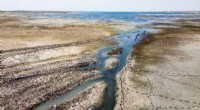
* Water: Rivers, streams, and rain can carve canyons, valleys, and deltas.
* Wind: Wind can create sand dunes, blow away soil, and sculpt rock formations.
* Ice: Glaciers carve out valleys, transport sediment, and deposit moraines.
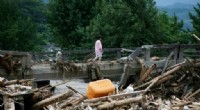
* Gravity: Gravity causes landslides and rockfalls, reshaping slopes.
3. Climate:
* Precipitation: Amount and type of rainfall influence weathering and erosion rates.
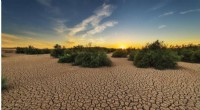
* Temperature: Extreme temperatures can accelerate weathering.
* Wind Patterns: Wind can transport sand and create dunes, influencing landscape development.
4. Biological Processes:
* Plant Growth: Plants can stabilize soil, break down rock, and influence erosion patterns.
* Animal Activity: Animals can create burrows, paths, and contribute to soil mixing.
5. Human Impact:
* Land Use: Farming, mining, and construction can significantly alter landscapes.
* Pollution: Air and water pollution can accelerate weathering and erosion.
6. Time:
Landscape formation is a slow and continuous process. It can take millions of years for mountains to rise, valleys to form, and landforms to evolve.
Example:
The Grand Canyon is a prime example of how these forces work together. The Colorado River carved the canyon over millions of years through erosion, while tectonic activity uplifted the Colorado Plateau, providing the elevation necessary for the river's erosive power.
Understanding the complex interplay of these factors is crucial for appreciating the diversity and beauty of our landscapes.