Here's why:
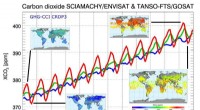
* Global Climate Regulation: The atmosphere acts as a blanket, regulating Earth's temperature and weather patterns. Changes in atmospheric composition, particularly greenhouse gas concentrations, can have dramatic and widespread impacts on the climate, affecting everything from rainfall to ocean currents.
* Air Quality and Human Health: The atmosphere is the source of the air we breathe. Pollutants and toxins released into the atmosphere can cause respiratory illnesses, cardiovascular problems, and other health issues.
* Ozone Layer Depletion: The ozone layer in the stratosphere protects us from harmful ultraviolet radiation. Human-made chemicals like chlorofluorocarbons (CFCs) have depleted the ozone layer, leading to increased UV exposure, skin cancer, and other risks.
* Acid Rain: Atmospheric pollution, mainly from burning fossil fuels, can lead to acid rain, damaging forests, lakes, and infrastructure.
* Limited Capacity for Self-Healing: While the atmosphere has some natural processes to cleanse itself, it is finite and can be overwhelmed by large-scale pollution and greenhouse gas emissions.
Vulnerability in the Context of Interconnectedness:
While the atmosphere is extremely vulnerable to human activity, it's important to remember that it's just one part of a complex system. Changes to the atmosphere impact other systems like oceans, land, and biodiversity, and vice versa. For instance, deforestation leads to increased carbon dioxide in the atmosphere, contributing to climate change.
In conclusion, the atmosphere is a vital component of the Earth's ecological system and is highly vulnerable to human-induced changes. However, its vulnerability is linked to the interconnectedness of the entire system, making every part crucial for maintaining a healthy planet.