Landforms:
* Erosion: Water, in all its forms, is a major agent of erosion.
* Rivers: Carve valleys, transport sediments, and create deltas.
* Rain: Can cause soil erosion, especially on slopes.
* Waves: Shape coastlines, erode cliffs, and create beaches.
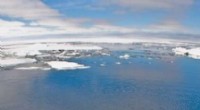
* Glaciers: Carve valleys, form U-shaped valleys, and deposit glacial till.
* Groundwater: Can dissolve rock, creating caves and sinkholes.
* Deposition: Water also deposits sediments, building up landforms.
* Rivers: Create floodplains, alluvial fans, and deltas.
* Waves: Form beaches, spits, and barrier islands.
* Glaciers: Leave behind moraines, eskers, and drumlins.
* Landform Modification: Water can also change existing landforms.
* Erosion: Can widen valleys, deepen canyons, and reshape hills.
* Deposition: Can build up beaches, create sandbars, and fill in lakes.
* Flooding: Can create floodplains and wetlands.
Climates:
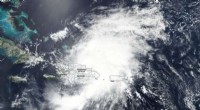
* Evaporation and Precipitation: The water cycle is crucial for climate. Evaporation from oceans and lakes creates water vapor that condenses into clouds. Precipitation (rain, snow, sleet, hail) falls back to Earth, influencing regional climates.
* Moderation of Temperatures: Water has a high heat capacity, meaning it takes a lot of energy to change its temperature. This helps moderate temperature fluctuations near large bodies of water, making coastal areas generally milder than inland areas.
* Ocean Currents: Ocean currents transport heat from the tropics to higher latitudes, distributing heat around the globe and influencing climates in different regions.
* Humidity: The amount of water vapor in the atmosphere influences humidity. Higher humidity makes it feel hotter and can lead to more cloud formation and precipitation.
* Wind Patterns: Water bodies can influence wind patterns. For example, the sea breeze blows from the ocean toward land during the day, while the land breeze blows from the land toward the ocean at night.
Examples:
* Grand Canyon: Carved by the Colorado River over millions of years.
* The Great Lakes: Formed by glacial activity.
* The Nile River Delta: Formed by deposition of sediments.
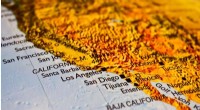
* San Francisco's Mild Climate: Influenced by the Pacific Ocean's moderating effect.
* The Amazon Rainforest: Heavily influenced by high rainfall and humidity.
In conclusion:
Water is an essential factor shaping the Earth's landscapes and influencing its climate. Its erosive, depositional, and thermal properties play key roles in creating diverse landforms and influencing weather patterns across the globe.