1. Discovering Biodiversity:
* New Species: Exploration has revealed a staggering number of new species, from microscopic organisms to colossal squid. This expands our knowledge of life on Earth and its incredible diversity.
* Ecosystem Mapping: By exploring different depths and regions, scientists can map out the distribution of various ecosystems, like coral reefs, hydrothermal vents, and deep-sea trenches. This helps us understand how these ecosystems function and how interconnected they are.
2. Understanding Environmental Processes:
* Climate Change Impacts: Exploration helps us track the impacts of climate change on marine ecosystems, such as ocean acidification, warming waters, and sea level rise. This knowledge is crucial for developing conservation strategies.
* Ocean Currents: Exploring ocean currents reveals their role in transporting heat, nutrients, and marine life. This understanding is essential for predicting weather patterns and understanding global climate.
3. Unveiling Ecosystem Interactions:
* Food Webs: Exploration helps us understand the intricate relationships within food webs, from microscopic plankton to apex predators like sharks and whales. This knowledge is vital for managing fisheries and conserving endangered species.
* Symbiotic Relationships: Exploring unique environments like deep-sea vents has revealed fascinating symbiotic relationships between different organisms, highlighting the interconnectedness of life in the ocean.
4. Developing Conservation Strategies:
* Protecting Biodiversity: Exploration identifies areas of high biodiversity, helping to establish marine protected areas and prioritize conservation efforts.
* Sustainable Fisheries: Understanding the distribution and behavior of fish populations allows for more sustainable fishing practices that avoid overfishing and ecosystem collapse.
5. Technological Advancements:
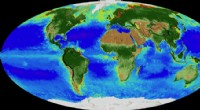
* Remote Sensing: Technologies like sonar and satellite imagery allow us to map the ocean floor, track marine mammals, and monitor changes in ocean conditions from afar.
* Submersibles and ROVs: Remotely operated vehicles (ROVs) and manned submersibles allow scientists to explore deep-sea environments, collecting data and samples that were previously inaccessible.
6. Economic and Societal Benefits:
* New Resources: Exploration has led to the discovery of new resources, such as minerals and pharmaceuticals. However, responsible extraction practices are essential to minimize environmental impact.
* Inspiration and Education: The awe-inspiring beauty and diversity of the ocean inspires public engagement and education, raising awareness about the importance of ocean conservation.
In Conclusion:
Ocean exploration has revolutionized our understanding of aquatic ecosystems, revealing their incredible diversity, complex interactions, and vital role in the global climate. This knowledge is essential for protecting these ecosystems and ensuring their health and resilience for future generations.