Ecosystems:
* Forests: Complex systems with trees, plants, animals, fungi, bacteria, and soil interacting.
* Coral reefs: Diverse communities of organisms living on underwater structures, providing habitat and food sources.
* Wetlands: Transition zones between land and water, supporting unique plant and animal life.
* Grasslands: Dominated by grasses and herbaceous plants, home to grazing animals.
* Deserts: Arid regions with specialized plants and animals adapted to low water availability.
* Oceans: Vast bodies of saltwater, containing a wide variety of life and supporting global climate.
Geological Systems:
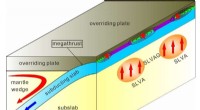
* Plate tectonics: The movement of the Earth's tectonic plates, leading to earthquakes, volcanoes, and mountain formation.
* Weathering: The breakdown of rocks and minerals by physical or chemical processes.
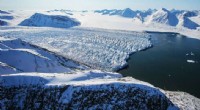
* Erosion: The movement of rock and soil by wind, water, or ice.
* Water cycle: The continuous movement of water on, above, and below the surface of the Earth.
* Rock cycle: The continuous process of rock transformation through weathering, erosion, deposition, and heat/pressure.
Biological Systems:
* Human body: A complex system of organs, tissues, and cells working together.
* Animal migrations: Large-scale movements of animals for breeding, food, or environmental changes.
* Plant growth: Complex processes of photosynthesis, nutrient uptake, and reproduction.
* Food webs: Interconnected networks of organisms based on feeding relationships.
* Evolution: The gradual change in the characteristics of a population over time.
Atmospheric Systems:
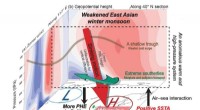
* Global wind patterns: Large-scale air circulation patterns driven by solar energy.
* Weather systems: Localized atmospheric phenomena like storms, fronts, and high-pressure systems.
* Climate patterns: Long-term average weather conditions in a region.
* Ozone layer: A layer of ozone gas in the stratosphere that protects life from harmful UV radiation.
These are just a few examples of the many natural systems that exist. It is important to note that these systems are interconnected and interdependent, meaning changes in one system can impact others. Understanding natural systems is crucial for managing and protecting our planet.