Unpredictable Nature:
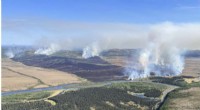
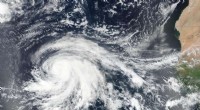
* Natural Disasters: Earthquakes, volcanic eruptions, tsunamis, hurricanes, floods, droughts, and wildfires are all natural events that can cause widespread environmental damage and human casualties. These events are often unpredictable in terms of timing, location, and severity.
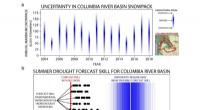
* Climate Variability: Natural fluctuations in climate, such as El Niño-Southern Oscillation (ENSO), can lead to extreme weather events, altering rainfall patterns and impacting ecosystems.
* Geological Processes: Plate tectonics, erosion, and other geological processes can create hazards like landslides, sinkholes, and changes in coastlines.
Human Actions:
* Climate Change: Human activities, primarily the burning of fossil fuels, are releasing greenhouse gases into the atmosphere, causing global warming. This leads to intensified extreme weather events, rising sea levels, and changes in ecosystems.
* Pollution: Industrial emissions, agricultural runoff, and waste disposal contribute to air, water, and soil pollution. This can harm human health, biodiversity, and ecosystems.
* Deforestation: Clearing forests for agriculture, development, and timber reduces carbon sinks, contributes to climate change, and degrades ecosystems.
* Land Use Changes: Urban sprawl, intensive agriculture, and infrastructure development can alter natural landscapes, increasing risks of floods, landslides, and heat islands.
* Overexploitation of Resources: Overfishing, unsustainable logging, and mining practices can deplete natural resources and disrupt ecosystems.
The Interplay:
* Human Activities Exacerbate Natural Hazards: Climate change increases the intensity and frequency of extreme weather events, making natural disasters more severe. Deforestation and land degradation can increase the risk of landslides and floods.
* Natural Hazards Create Opportunities for Human Impact: For instance, after a natural disaster, rebuilding efforts can either enhance resilience or worsen vulnerability through unsustainable practices.
* Understanding the Interplay is Crucial: We must acknowledge that environmental hazards are not solely caused by either nature or humans, but by a complex interaction between the two.
Conclusion:
Attributing blame for environmental hazards to solely nature or human actions is simplistic and unhelpful. Instead, recognizing the complex interplay between natural processes and human actions is crucial for effectively mitigating risks and adapting to the changing environment. Addressing both the unpredictable nature of hazards and the human factors that exacerbate them is essential for building a sustainable future.