Direct Impacts:
* Construction and Development: Building roads, houses, buildings, and infrastructure alters natural landforms, often leading to deforestation, erosion, and habitat fragmentation.
* Mining and Quarrying: Extracting minerals, coal, and other resources drastically modifies landscapes, creating pits, mounds, and waste dumps.
* Agriculture: Land clearing for agriculture, especially large-scale industrial farming, removes vegetation, leading to soil erosion, desertification, and habitat loss.
* Dams and Reservoirs: Construction of dams alters river flows, creating reservoirs that flood land and change river ecosystems.
* Waste Disposal: Improper waste management can lead to land pollution and contamination, impacting soil quality and groundwater.
* Urban Sprawl: Uncontrolled urban expansion encroaches on natural areas, leading to habitat loss, air and water pollution, and increased surface runoff.
Indirect Impacts:
* Climate Change: Human activities, primarily burning fossil fuels, release greenhouse gases that trap heat, leading to global warming. This contributes to sea-level rise, melting glaciers, and changes in precipitation patterns, impacting coastal areas, mountain ranges, and river systems.
* Deforestation: Removing forests for timber, agriculture, and development leads to soil erosion, decreased biodiversity, and altered water cycles.
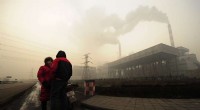
* Pollution: Air, water, and soil pollution from industrial activities, transportation, and agriculture can have significant impacts on landforms, affecting soil fertility, water quality, and plant and animal life.
* Overgrazing: Excessive grazing by livestock can degrade vegetation, leading to soil erosion, desertification, and loss of biodiversity.
Consequences of Human Impacts on Landforms:
* Loss of Biodiversity: Habitat fragmentation, pollution, and land-use changes contribute to a decline in species diversity.
* Soil Degradation: Erosion, nutrient depletion, and pollution can reduce soil fertility, impacting food production and ecosystem health.
* Water Scarcity: Deforestation and urbanization can alter water cycles, leading to reduced water availability and increased flooding.
* Climate Change: Changes in land use and vegetation cover can influence local and regional climates, impacting weather patterns and natural disasters.
* Social and Economic Impacts: Land degradation can affect livelihoods, food security, and human health, leading to displacement and conflict.
Mitigation and Management:
* Sustainable Land Management Practices: Implementing practices like agroforestry, conservation tillage, and sustainable forestry to minimize soil erosion and promote biodiversity.
* Urban Planning: Developing sustainable urban plans that minimize sprawl, promote public transportation, and protect green spaces.
* Environmental Regulations: Enforcing regulations to control pollution, manage waste disposal, and protect sensitive ecosystems.
* Conservation and Restoration: Establishing protected areas, restoring degraded lands, and promoting reforestation efforts.
By understanding the impacts of human activities on landforms and implementing sustainable practices, we can mitigate the negative consequences and preserve the integrity of our planet's natural landscapes.