Understanding Life's Diversity and Evolution:
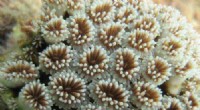
* Novel Organisms and Ecosystems: Exploring new water habitats offers the possibility of discovering entirely new species of organisms and ecosystems, shedding light on the incredible diversity of life on Earth. This provides crucial data for understanding evolutionary processes, adaptation, and the origins of life.
* Extremophile Research: Some water habitats, like deep-sea vents or hypersaline lakes, harbor extremophile organisms that thrive in extreme conditions. Studying these organisms can reveal the limits of life and provide insights into the potential for life on other planets.
Scientific Discoveries and Applications:
* New Medicines and Materials: The biodiversity in unexplored water habitats could hold a treasure trove of new compounds with medicinal or industrial applications. For example, deep-sea sponges have been found to produce compounds with anti-cancer properties.
* Understanding Climate Change: Oceanographic research plays a vital role in understanding the impacts of climate change on marine ecosystems. Studying previously unexplored areas can provide data on baseline conditions and help scientists monitor changes over time.
Geological and Environmental Insights:
* Geological Processes: Studying rock formations in unexplored water habitats can shed light on past geological processes, providing clues about the Earth's history and tectonic activity.
* Water Cycle and Climate: Understanding the circulation patterns and properties of water in unexplored areas contributes to our understanding of the global water cycle and its influence on climate.
Preservation and Conservation:
* Assessing Biodiversity and Threats: Discovering and studying unexplored water habitats allows for the documentation and assessment of biodiversity, which is crucial for developing effective conservation strategies.
* Protecting Vulnerable Ecosystems: These habitats are often fragile and susceptible to human activities. Understanding their unique characteristics can help us develop sustainable practices for their protection.
Ultimately, the study of previously unexplored water habitats fuels scientific curiosity and contributes to our understanding of the planet and its inhabitants, potentially leading to groundbreaking discoveries with far-reaching implications for our future.