Living:
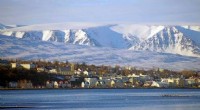
* Mountains: Often uninhabitable due to harsh weather and limited farmland, but can provide resources like timber and minerals.
* Plains: Offer fertile land for agriculture, making them ideal for settlements and population centers.
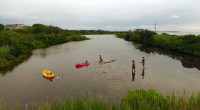
* Rivers and Lakes: Provide access to water for drinking, irrigation, and transportation, attracting settlements.
* Coastal Areas: Offer access to fishing, trade routes, and sometimes fertile land, making them attractive for settlement.
Traveling:
* Mountains: Create natural barriers, making travel difficult and requiring roads and tunnels for passage.
* Valleys: Provide natural routes for roads and rivers, facilitating transportation.
* Deserts: Present harsh conditions and lack of water, making travel challenging.
* Oceans: Historically, used for seafaring trade and exploration, and now for modern shipping.
Trading:
* Rivers and Seas: Provide natural trade routes, facilitating the exchange of goods and ideas between communities.
* Mountain Passes: Can provide access to different regions, leading to trade routes and cultural exchange.
* Deserts: Often act as natural barriers, limiting trade and creating distinct cultures.
Building Societies:
* Terrain: Influences the types of structures people build, from simple huts in grasslands to fortified towns in mountainous regions.
* Resources: The availability of resources like wood, stone, and water shapes how people build their homes, tools, and infrastructure.
* Climate: The climate of a region influences the types of crops people can grow, the types of homes they build, and the way they live.
In summary, the shapes and forms of land have played a crucial role in shaping human history, influencing where people settle, how they travel, what they trade, and how they build their societies.