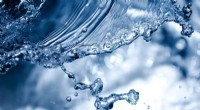
* Water is abundant: It covers over 70% of the Earth's surface and exists in various forms (rain, snow, ice, rivers, oceans). This makes it a constant and powerful force.
* Water is a powerful solvent: It can dissolve many rocks and minerals, breaking them down into smaller pieces.
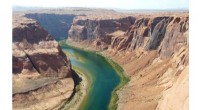
* Water is a powerful abrasive: Flowing water can carry sediment that grinds and scrapes rock surfaces, further breaking them down.
* Water expands when it freezes: This expansion exerts pressure on rocks, causing cracks and eventually breaking them apart (frost wedging).
* Water plays a role in other weathering processes: It's essential for chemical weathering (like oxidation) and biological weathering (like plant roots).
While water is a major force, other agents like wind, ice, and gravity are also critical.
* Wind: Powerful winds can transport sand and dust, abrading rock surfaces and sculpting landscapes (like sand dunes).
* Ice: Glaciers and ice sheets can carve out valleys, transport rocks, and shape mountains.
* Gravity: Gravity causes landslides, rockfalls, and soil creep, which all contribute to erosion.
Ultimately, the importance of each agent depends on the specific location and conditions. However, water is a pervasive and powerful force that shapes the Earth's surface in countless ways.