Positive Interactions:
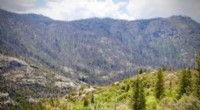
* Conservation and Preservation: Wisconsin has a strong tradition of conservation and preservation. This includes protecting its vast forests, lakes, and wetlands, as well as managing its wildlife populations.
* Sustainable Agriculture: Many farmers in Wisconsin practice sustainable agricultural techniques, such as crop rotation, no-till farming, and integrated pest management. This helps to conserve soil, water, and biodiversity.
* Renewable Energy: Wisconsin is a leader in renewable energy, with a growing number of wind farms and solar installations. This helps to reduce reliance on fossil fuels and mitigate climate change.
* Ecotourism: Wisconsin's natural beauty attracts millions of visitors each year. This brings economic benefits while also promoting appreciation for the environment.
* Environmental Education: Many organizations and institutions in Wisconsin are dedicated to educating the public about environmental issues and promoting sustainable practices.
Negative Interactions:
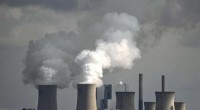
* Pollution: Industrial activity, agriculture, and urban development can all contribute to air, water, and soil pollution. This can harm wildlife, human health, and the overall environment.
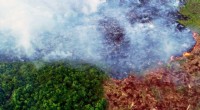
* Habitat Loss and Fragmentation: Development, agriculture, and other human activities can lead to the loss and fragmentation of natural habitats, impacting biodiversity.
* Climate Change: Human activities, such as burning fossil fuels, contribute to climate change, which is already having noticeable effects on Wisconsin's environment, including warmer temperatures, more extreme weather events, and changes in plant and animal life.
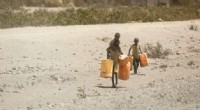
* Overuse of Natural Resources: Overfishing, excessive logging, and over-pumping of groundwater can deplete natural resources and damage ecosystems.
* Invasive Species: Humans can inadvertently introduce invasive species, which can disrupt native ecosystems and cause economic damage.
Challenges and Opportunities:
* Balancing Economic Development with Environmental Protection: Wisconsin faces the ongoing challenge of balancing economic growth with environmental protection. This requires thoughtful planning and policies that promote sustainable practices.
* Addressing Climate Change: Wisconsin needs to implement strategies to mitigate and adapt to climate change. This includes reducing greenhouse gas emissions and preparing for the impacts of climate change.
* Protecting Water Resources: Wisconsin's abundant water resources are a valuable asset, but they are also facing threats from pollution and overuse. Effective water management is crucial to protecting these resources.
* Promoting Environmental Education: Continuing to educate the public about environmental issues and promoting sustainable practices is essential to ensuring a healthy environment for future generations.
Overall, humans have a complex relationship with the environment in Wisconsin. By understanding both the positive and negative impacts of human activities, we can work towards building a more sustainable future.