Natural Factors:
* Climate Change: Shifting temperatures, precipitation patterns, and extreme weather events can drastically alter habitats. For example, rising sea levels can inundate coastal areas, while droughts can lead to desertification.
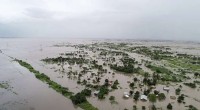
* Natural Disasters: Wildfires, floods, volcanic eruptions, and earthquakes can cause immediate and significant changes to habitats, wiping out existing vegetation and disrupting ecosystems.
* Succession: This is a gradual process of change in a habitat over time, starting with pioneer species colonizing a barren area and eventually leading to a more stable, mature community.
* Migration: The movement of animals can impact habitats, particularly if they are herbivores that consume a large amount of vegetation.
* Evolution: Over long periods, organisms within a habitat can evolve, adapting to changes in the environment and influencing the habitat itself.
Human-Induced Factors:
* Habitat Loss and Fragmentation: Deforestation, urbanization, and agriculture are leading to the destruction and division of natural habitats, isolating populations and reducing biodiversity.
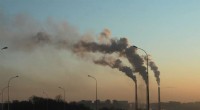
* Pollution: Air, water, and soil pollution can contaminate habitats, harming organisms and disrupting ecological processes.
* Introduction of Invasive Species: Non-native species can outcompete native organisms, leading to a decline in biodiversity and altering the structure and function of habitats.
* Overexploitation: Overfishing, overhunting, and unsustainable harvesting practices can deplete populations and disrupt food webs within habitats.
* Climate Engineering: Human attempts to mitigate climate change, like carbon capture or geoengineering, can have unintended consequences on ecosystems and habitats.
Consequences of Habitat Change:
* Loss of Biodiversity: Changes in habitats often lead to the decline and extinction of species, reducing the richness and diversity of life.
* Disruption of Ecosystem Services: Habitats provide essential services like pollination, water filtration, and carbon sequestration. Habitat changes can disrupt these services, affecting human well-being.
* Spread of Diseases: Habitat alterations can create opportunities for disease vectors to thrive and spread, impacting both wildlife and human health.
It's important to remember that:
* The rate of change is accelerating: Human activities are accelerating the rate of habitat change, leading to a faster pace of ecosystem disruption.
* The impact is complex and interconnected: Changes in one part of an ecosystem can have cascading effects on other parts, leading to unexpected consequences.
Understanding the dynamics of habitat change is crucial for conservation efforts and ensuring the health of our planet. By mitigating human impact and promoting sustainable practices, we can help preserve the natural world for future generations.