1. Atmosphere: This is the layer of gases surrounding the Earth.
* Lower Atmosphere (Troposphere): This is where we live and where most weather occurs. It's home to a vast array of organisms, including insects, birds, mammals, and bacteria.
* Upper Atmosphere (Stratosphere): While it's thinner, it still contains some organisms, mainly bacteria and fungi. The ozone layer within this layer is crucial for blocking harmful UV radiation.
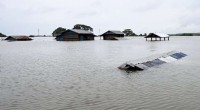
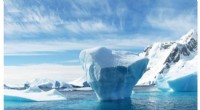
2. Hydrosphere: This encompasses all the water on Earth, including oceans, lakes, rivers, and groundwater.
* Oceans: The oceans are teeming with life, from microscopic plankton to enormous whales. They support a diverse range of fish, invertebrates, plants, and microorganisms.
* Freshwater: Lakes, rivers, and wetlands provide habitats for a wide variety of organisms, including fish, amphibians, reptiles, birds, and mammals.
3. Lithosphere: This is the Earth's solid, rocky outer layer, including the crust and the upper part of the mantle.
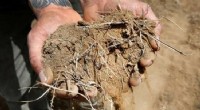
* Soil: This is a thin layer of Earth's surface that is essential for plant growth and supports a vast community of microorganisms, insects, worms, and small animals.
* Rock Formations: Some organisms, like lichens, can survive on bare rock surfaces. They contribute to weathering and soil formation.
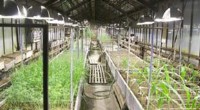
4. Biosphere: This is the sum total of all living things on Earth and their interactions with the atmosphere, hydrosphere, and lithosphere.
Important Points:
* Organisms are adapted to specific conditions: Different layers have different characteristics like temperature, pressure, and light availability. Organisms have evolved specific adaptations to thrive in their respective layers.
* Interconnectedness: All layers are interconnected. Changes in one layer can affect the others. For example, pollution in the atmosphere can affect the health of the oceans.
* Biodiversity: The Earth's surface is incredibly diverse, supporting a vast range of life forms.
I hope this helps!