1. Natural Processes:
* Climate: Weather patterns, temperature, precipitation, and wind all play a crucial role. For example, consistent rainfall in a region might contribute to the stability of forests, while dry conditions might lead to the dominance of grasslands.
* Geology: The underlying rock formations and soil types influence the landscape's shape, water flow, and nutrient availability, which in turn impacts the types of ecosystems that can thrive.
* Topography: The elevation, slopes, and orientation of the land influence the distribution of sunlight, water flow, and soil erosion, which all affect the stability of patterns.
* Biological processes: The interactions between plants and animals, such as pollination, seed dispersal, and herbivory, contribute to the dynamic equilibrium of the landscape.
2. Human Activities:
* Land Use: Agriculture, urbanization, and forestry can drastically alter landscapes and the stability of their patterns. For example, deforestation can lead to soil erosion and changes in water flow, affecting ecosystems.
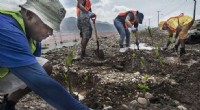
* Management Practices: How humans manage the land, such as through grazing, fire suppression, or habitat restoration, can influence the stability of the landscape.
* Climate Change: Human-induced climate change is altering weather patterns, temperature regimes, and precipitation, leading to shifts in ecosystems and potentially destabilizing existing patterns.
3. Feedback Loops:
* Positive feedback loops can amplify changes and lead to instability, such as the thawing of permafrost releasing greenhouse gases, further warming the climate.
* Negative feedback loops can buffer changes and promote stability, like the growth of trees in a forest, which can increase carbon storage and help regulate climate.
In essence, the stability of landscape patterns and activities is a dynamic balance between these forces. It's important to note that:
* Landscapes are constantly evolving, and a "stable" landscape isn't static.
* The degree of stability can vary significantly depending on the type of landscape, its history, and the current forces acting upon it.
* Understanding the complex interactions of these forces is crucial for managing landscapes sustainably and promoting resilience to change.