What is Climatology?
Climatology is the scientific study of Earth's climate and its variations over time. It investigates the factors that influence climate, including:
* Atmospheric processes: Temperature, pressure, humidity, wind, precipitation, cloud formation, radiation, etc.
* Oceanic processes: Ocean currents, sea surface temperature, salinity, and their interaction with the atmosphere.
* Land surface processes: Topography, vegetation, soil type, and their influence on energy balance and water cycle.
* Cryosphere processes: Snow, ice, glaciers, and their role in reflecting solar radiation and influencing sea level.
* Biosphere processes: Plants, animals, and their impact on atmospheric composition, surface reflectivity, and carbon cycling.
Scope of Climatology:
* Climate description: Analyzing and summarizing climate data (temperature, precipitation, wind, etc.) to understand regional and global climate patterns. This involves creating maps, charts, and diagrams to illustrate climate variations.
* Climate classification: Grouping areas of the world with similar climates based on temperature, precipitation, and other factors (e.g., Köppen climate classification).
* Climate dynamics: Investigating the physical processes and interactions that govern climate change, including:
* Radiation balance: How energy from the sun is absorbed, reflected, and re-radiated by the Earth.
* Atmospheric circulation: Patterns of air movement that distribute heat and moisture around the globe.
* Ocean circulation: How currents transport heat and influence weather patterns.
* Climate feedback mechanisms: Processes that amplify or dampen climate change (e.g., the ice-albedo feedback).
* Climate variability and change: Examining natural and human-induced changes in climate over different timescales (e.g., seasonal, decadal, millennial).
* Paleoclimatology: Studying past climates through analysis of ice cores, tree rings, sediment layers, and other natural archives to understand how climate has changed over long periods.
* Climate modeling: Developing computer simulations to understand past, present, and future climates and to predict climate change impacts.
* Climate impacts: Assessing the effects of climate change on various systems, including:
* Human health: Impacts on disease spread, heat waves, and air quality.
* Agriculture and food security: Impacts on crop yields, water availability, and livestock.
* Water resources: Impacts on water supply, flooding, and drought.
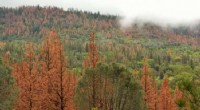
* Ecosystems and biodiversity: Impacts on plant and animal species, habitats, and ecosystem services.
* Coastal areas: Impacts on sea level rise, storm surges, and coastal erosion.
* Climate mitigation and adaptation: Developing strategies to reduce greenhouse gas emissions and adapt to the impacts of climate change.
Interdisciplinary Nature:
Climatology is an interdisciplinary field that draws heavily from other sciences, including:
* Meteorology: The study of the atmosphere and weather.
* Oceanography: The study of oceans.
* Geography: The study of Earth's surface and its features.
* Ecology: The study of how organisms interact with their environment.
* Geology: The study of Earth's history and composition.
* Physics: The study of matter and energy.
* Chemistry: The study of the composition and properties of substances.
Importance of Climatology:
Climatology is crucial for understanding the complex climate system, predicting future climate changes, and addressing the challenges posed by climate change. It provides information and tools for:
* Informed decision-making: Supporting policy decisions on climate mitigation and adaptation.
* Resource management: Planning for water, energy, and food security in the face of climate change.
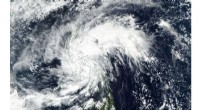
* Disaster preparedness: Developing strategies for responding to extreme weather events and climate-related disasters.
* Environmental protection: Conserving ecosystems and mitigating the impacts of climate change on biodiversity.
Overall, climatology is a vital field that helps us understand the Earth's climate, its changes, and its impacts on our planet and society.