1. Tectonic Activity:
* Plate tectonics: The movement of Earth's tectonic plates shapes continents and ocean basins.
* Mountain building: When plates collide, they buckle and fold, creating mountain ranges like the Himalayas.
* Volcanism: Plate boundaries are often associated with volcanic activity, producing mountains, plateaus, and islands.
* Earthquakes: Sudden shifts in the Earth's crust caused by tectonic movement can drastically alter landscapes.
* Isostasy: The Earth's crust "floats" on the mantle, and this balance affects the elevation of landmasses.
2. Weathering:
* Physical weathering: The breakdown of rocks into smaller pieces by physical forces like freezing/thawing, abrasion, and plant roots.
* Chemical weathering: The decomposition of rocks through chemical reactions involving water, oxygen, and acids. This process creates soils and alters the surface.
3. Erosion:
* Water erosion: Moving water, including rivers, streams, and ocean waves, carves valleys, canyons, and coastlines.
* Wind erosion: Wind carries away loose sediments, shaping dunes, deserts, and other features.
* Glacial erosion: Ice sheets and glaciers carve valleys, lakes, and other dramatic landscapes.
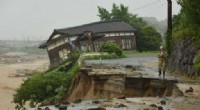
* Gravity: Mass wasting (landslides, rockfalls, etc.) reshapes slopes and hills.
4. Deposition:
* Sediment transport: Erosion carries sediment from one location to another, where it is deposited.
* Landform creation: Deposited sediments form features like deltas, alluvial fans, and sandbars.
5. Climate:
* Precipitation: Rain and snow impact erosion and weathering rates, influencing landscape formation.
* Temperature: Freezing and thawing (frost wedging), as well as varying temperatures, affect physical weathering.
* Climate zones: Different climates lead to different vegetation patterns, influencing soil development and erosion rates.
6. Biological Factors:
* Plants: Roots stabilize soil, contribute to weathering, and influence erosion patterns.
* Animals: Burrowing animals can create burrows that affect soil structure, and grazing animals can alter vegetation cover.
* Humans: Human activities, such as agriculture, mining, and urbanization, significantly impact landscapes.
7. Time:
* Geological time: Most landscapes are formed over millions of years, allowing for slow, gradual processes to have a significant impact.
* Rates of change: Some processes, like erosion or tectonic activity, happen at faster rates than others, leading to varying landscape evolution.
Interconnectedness:
It's important to remember that these factors do not work in isolation. They interact and influence each other, creating a complex web of processes that shape the landscapes we see today. For example, tectonic activity can create mountains, which then influence local climates, leading to different weathering and erosion patterns.
Understanding the interplay of these factors helps us appreciate the dynamic and ever-changing nature of landscapes.