1. Observation and Attention to Detail:
* Artists: Carefully observe and analyze the natural world, paying attention to details like color, texture, light, and form. They strive to capture the essence of their subject in their artwork.
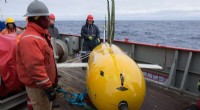
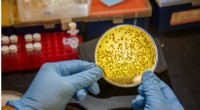
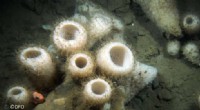
* Scientists: Conduct meticulous observations of natural phenomena using instruments and techniques tailored to their field. They document data, record measurements, and make detailed notes.
2. Interpretation and Analysis:
* Artists: Interpret their observations and translate them into an artistic language using brushstrokes, color, composition, and other elements. They convey their unique understanding and perspective of the scene.
* Scientists: Analyze their collected data, identify patterns, and draw conclusions based on scientific principles. They aim to explain the underlying mechanisms and processes at play in the natural world.
3. Experimentation and Exploration:
* Artists: Experiment with different techniques, materials, and styles to find the most effective ways to represent their vision. They explore different ways to capture light, texture, and emotion in their work.
* Scientists: Conduct experiments and investigations to test hypotheses and gather evidence. They explore new avenues of research, pushing the boundaries of scientific understanding.
4. Communication and Sharing:
* Artists: Communicate their observations and interpretations through their artwork, inviting viewers to experience and connect with the natural world. They evoke emotions and inspire contemplation.
* Scientists: Share their findings through publications, conferences, and other platforms, contributing to the collective body of scientific knowledge. They seek to communicate their discoveries and inform the public about the world around them.
Differences:
While artists and scientists share these similarities, their goals and methodologies differ significantly:
* Artists: Focus on subjective experiences, emotional resonance, and aesthetic impact.
* Scientists: Emphasize objectivity, rigorous testing, and the pursuit of verifiable knowledge.
Conclusion:
Both artists and scientists are driven by a fascination with the natural world. Their methods may differ, but they both rely on careful observation, analysis, and communication to create impactful representations of the world around us. The artist's subjective interpretation and the scientist's objective analysis can complement each other, offering a multifaceted understanding of the natural world.