* Seawater: The largest reservoir of chlorine on Earth, comprising about 1.9% of seawater by mass.
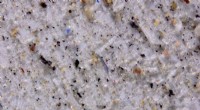
* Underground Salt Deposits: Formed from the evaporation of ancient seas, these deposits are a major source of chlorine for industrial uses.
* Minerals: Chlorine is found in a variety of minerals, including halite (NaCl), sylvite (KCl), and carnallite (KCl·MgCl₂·6H₂O).
* Volcanic Gases: Small amounts of chlorine can be found in volcanic gases.
* Living Organisms: Chlorine plays a vital role in biological processes, including the regulation of fluid balance and nerve impulses. It's found in small amounts in plants and animals.
It's important to note that elemental chlorine (Cl₂) is not found naturally. It's a product of human-made processes, such as electrolysis, and is used in various industrial applications, including water treatment and the production of chemicals.