Basic Needs and Survival:
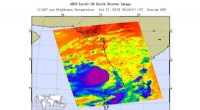
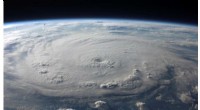
* Climate: Temperature, precipitation, and humidity influence our clothing, shelter, and food sources. Extreme weather events pose risks to life and property.
* Water: Access to clean water is essential for drinking, sanitation, and agriculture. Water scarcity can lead to conflict and migration.
* Land: Topography, soil quality, and natural resources like forests and minerals determine our agricultural practices, settlement patterns, and economic opportunities.
Health and Wellbeing:
* Air quality: Pollution from industrial emissions, traffic, and wildfires affects respiratory health and can lead to chronic illnesses.
* Disease transmission: The environment influences the spread of infectious diseases, with factors like climate, water quality, and vector populations playing a role.
* Mental health: Natural environments can have positive effects on mental well-being, reducing stress and promoting relaxation.
Culture and Society:
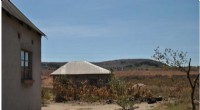
* Architecture and design: Building styles, materials, and technologies are influenced by local climate and resources.
* Food traditions: The availability of local ingredients shapes culinary traditions and dietary habits.
* Language and identity: Geographic features and historical interactions with the environment often influence language development and cultural identity.
Economic Development:
* Natural resources: The presence of minerals, energy sources, and fertile land drives economic activity and regional specialization.
* Infrastructure: Transportation networks, energy systems, and communication infrastructure are shaped by geographic factors.
* Tourism: Natural landscapes, biodiversity, and climate attract tourism, contributing to economic growth.
Examples:
* Amazon rainforest: The rainforest provides vital ecosystem services like regulating climate and providing biodiversity, but deforestation poses threats to its health and the livelihoods of indigenous communities.
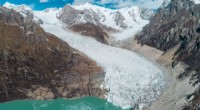
* Himalayan mountains: Glaciers in the Himalayas are a crucial source of water for millions of people, but climate change is causing them to melt, impacting water security and agricultural practices.
* Coastal cities: Sea level rise due to climate change poses threats to coastal populations and infrastructure, requiring adaptation measures like seawalls and relocation.
Adaptation and Mitigation:
Humans have always adapted to their environment, but with the increasing pressures of climate change and population growth, we face new challenges. This requires:
* Sustainability: Using resources responsibly and minimizing environmental impact.
* Climate adaptation: Implementing strategies to reduce vulnerability to climate change impacts.
* Environmental protection: Preserving ecosystems and biodiversity for future generations.
In conclusion, the physical environment is an integral part of human existence, impacting our lives in profound and multifaceted ways. Understanding this relationship is crucial for building a sustainable future for both people and planet.