1. Plants:
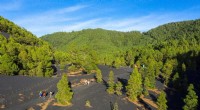
* Root Wedging: Plant roots grow into cracks in rocks, and as they expand, they exert pressure, widening the cracks and eventually breaking the rock apart. This is particularly effective in areas with freezing temperatures, where water expands in the cracks, further aiding the process.
* Bioturbation: Plants can disturb the soil and rock by creating tunnels and burrows, exposing fresh rock surfaces to weathering agents.
2. Animals:
* Burrowing Animals: Animals like moles, rabbits, and earthworms create tunnels and burrows, exposing the rock to weathering. The digging action can also physically break down rock fragments.
* Lichens and Mosses: While not technically animals, these organisms can contribute to weathering through biological weathering. They produce acids that chemically break down the rock, creating cracks and crevices that can be further exploited by physical weathering agents like wind and water.
3. Microorganisms:
* Bacteria and Fungi: Similar to lichens and mosses, these microorganisms can contribute to biological weathering, which in turn facilitates physical weathering.
It's important to note that:
* Physical weathering is primarily driven by non-biological factors like temperature changes (freezing and thawing), wind erosion, and the abrasive force of water.
* The role of living organisms in physical weathering is generally secondary and often works in conjunction with other physical forces.
Therefore, while living organisms can contribute to physical weathering, they are not the main actors in this process.