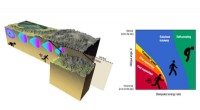
Here's how it happened:
1. Uplift: Millions of years ago, the area experienced a massive uplift, pushing the earth upwards. This created a large block of rock called the Fountain Formation.
2. Faulting: As the land rose, the rock fractured and shifted along lines of weakness, creating large cracks and faults.
3. Erosion: Over time, wind, water, and ice slowly carved and shaped the rock, exposing the various layers of sandstone and limestone. This process created the iconic red rock formations we see today.
So, while erosion played a crucial role in shaping the Garden of the Gods, it wasn't the primary force that brought the land to its current state. The real credit goes to the powerful forces of tectonic uplift and faulting.