Natural Forces:
* Tectonic Plate Movement: The Earth's crust is made up of large plates that move slowly over time. This movement can cause earthquakes, volcanic eruptions, and the formation of mountains and valleys.
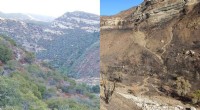
* Weathering and Erosion: The breakdown of rocks and soil by wind, water, and ice is known as weathering. The movement of this broken material is called erosion. These processes can create canyons, caves, and other landforms.
* Climate Change: Long-term shifts in temperature and precipitation patterns can have significant impacts on the landscape. For example, glaciers can melt, sea levels can rise, and deserts can expand.
* Volcanic Activity: Eruptions can reshape the landscape, adding new layers of rock and ash. They can also create mountains, craters, and lava flows.
* River Action: Rivers carve out valleys, transport sediments, and deposit them in floodplains and deltas, altering the shape of the land over time.
* Ocean Waves and Tides: The constant action of waves and tides erodes coastlines, creating cliffs, beaches, and inlets.
* Glacial Activity: Glaciers can carve out valleys, create lakes, and deposit sediments as they move, significantly altering the landscape.
Human-Induced Changes:
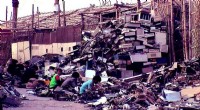
* Land Use Changes: Deforestation, agriculture, urbanization, and mining all alter the landscape, impacting soil erosion, water flow, and biodiversity.
* Pollution: Air, water, and soil pollution can damage ecosystems and lead to changes in plant and animal communities.
* Climate Engineering: Attempts to manipulate the Earth's climate system through technologies like solar radiation management or carbon dioxide removal could lead to unforeseen changes in the physical makeup of the planet.
* Construction and Infrastructure: Building roads, dams, and other infrastructure can significantly change the landscape, disrupting natural processes and creating new ecosystems.
It's important to note that these forces often interact in complex ways, creating intricate and dynamic landscapes. Understanding these influences helps us to appreciate the ongoing processes that shape the Earth's surface and the challenges of managing its resources sustainably.