Ecosphere is a term that refers to the global ecosystem, encompassing all living organisms and their physical environment. It's essentially the interconnected web of life on Earth, including:
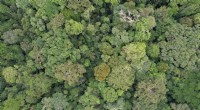
* Biosphere: The sum of all living organisms on Earth.
* Atmosphere: The layer of gases surrounding the Earth.
* Hydrosphere: All the water on Earth, including oceans, lakes, rivers, and groundwater.
* Lithosphere: The Earth's crust and upper mantle.
The ecosphere is a complex and interconnected system where all components interact and influence each other. It's a closed system in terms of matter, meaning that the total amount of matter remains constant. However, energy flows through the system, driven by the sun's energy.
Here are some key aspects of the ecosphere:
* Biodiversity: The vast array of different species and ecosystems on Earth.
* Ecosystem Services: The benefits that humans derive from natural ecosystems, such as clean air and water, food, and climate regulation.
* Climate Change: The long-term shift in global weather patterns, largely driven by human activities.
* Sustainability: The ability to meet the needs of the present without compromising the ability of future generations to meet their own needs.
Understanding the ecosphere is crucial for addressing global challenges like climate change and biodiversity loss. It highlights the interconnectedness of all living things and the importance of responsible stewardship of our planet.