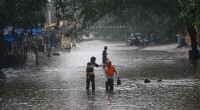
1. Precipitation: This is the most common source. Rain, snow, sleet, and hail all contribute to the water on the ground.
2. Surface runoff: When precipitation falls on the ground, some of it flows over the surface, collecting in rivers, lakes, and oceans. This is called surface runoff.
3. Groundwater: Water that has seeped into the ground and collected in underground aquifers can also come to the surface through springs, wells, and other sources.
4. Irrigation: Humans often irrigate crops and landscapes with water drawn from rivers, lakes, or underground aquifers.
5. Condensation: In humid environments, water vapor in the air can condense on surfaces, forming dew.
6. Melting snow and ice: As snow and ice melt, the water flows into rivers, lakes, and the ground.
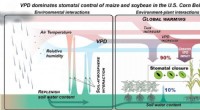
7. Transpiration: Plants release water vapor into the atmosphere through their leaves, which can condense and contribute to the water on the ground.
8. Human activities: Humans can release water into the environment through various activities, such as sewage systems, industrial processes, and leakage from water pipes.
The specific source of water on the ground will vary depending on the location and climate.