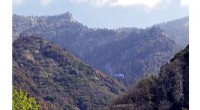
Here's why:
* Distinct Seasons: Temperate deciduous forests experience all four seasons: spring, summer, autumn, and winter. These seasons are clearly defined with significant temperature and precipitation changes.
* Leaf Color Changes: One of the most striking aspects of autumn is the vibrant display of colors as leaves change from green to yellow, orange, red, and brown before falling off. This process is unique to deciduous trees, which shed their leaves in winter.
* Winter Dormancy: The trees become bare in winter, allowing for a clear view of the forest structure and changes in the landscape. This contrast with the lush green summer is quite dramatic.
While other biomes may have seasonal changes, temperate deciduous forests offer a unique combination of:
* Variety of trees: A diverse range of trees creates a dynamic landscape with different leaf shapes and colors.
* Abundant wildlife: The change of seasons influences the behavior of animals like deer, squirrels, birds, and insects, providing opportunities for wildlife viewing.
While other biomes like taiga and tundra also have seasonal changes, the temperate deciduous forest provides a more visually stunning and biologically diverse experience of the changing seasons.