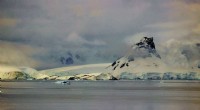
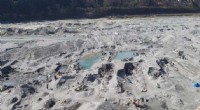
Water is constantly moving through the environment in a continuous cycle, powered by the sun's energy. This cycle is called the hydrologic cycle and involves several key processes:
1. Evaporation: The sun's heat warms water in oceans, lakes, rivers, and even soil, turning it into water vapor (gas). This water vapor rises into the atmosphere.
2. Transpiration: Plants also release water vapor into the air through their leaves. This process is called transpiration.
3. Condensation: As the water vapor rises, it cools and condenses into tiny water droplets, forming clouds.
4. Precipitation: When the water droplets in the clouds become too heavy, they fall back to Earth as precipitation, such as rain, snow, sleet, or hail.
5. Runoff: Precipitation that falls on land can flow over the surface as runoff, collecting in rivers, lakes, and oceans.
6. Infiltration: Some precipitation soaks into the ground, a process called infiltration. This water can be stored as groundwater or used by plants.
7. Sublimation: In cold regions, ice and snow can directly change into water vapor without first melting. This process is called sublimation.
Here's a simplified diagram of the water cycle:
[Image of the water cycle showing evaporation, condensation, precipitation, runoff, infiltration, and transpiration.]
Impact of the Water Cycle:
The water cycle is crucial for life on Earth. It:
* Provides freshwater for drinking, agriculture, and industry.
* Regulates Earth's temperature.
* Shapes Earth's landforms through erosion and deposition.
* Supports ecosystems by transporting nutrients and creating habitats.
Human Impact on the Water Cycle:
Human activities can have a significant impact on the water cycle. For example:
* Deforestation: Removing trees reduces transpiration, leading to less moisture in the atmosphere and potentially impacting precipitation patterns.
* Pollution: Contaminants can enter the water cycle and harm ecosystems and human health.
* Climate change: Rising temperatures can increase evaporation rates and alter precipitation patterns, leading to more extreme weather events such as droughts and floods.
Protecting the Water Cycle:
It's essential to understand and protect the water cycle to ensure a healthy planet. We can do this by:
* Conserving water: Using water wisely and reducing waste.
* Protecting forests: Preserving forests helps maintain transpiration and regulate the water cycle.
* Reducing pollution: Minimizing pollution of water sources helps protect water quality.
* Addressing climate change: Reducing greenhouse gas emissions helps mitigate the impacts of climate change on the water cycle.
By understanding and respecting the water cycle, we can help ensure a sustainable future for ourselves and future generations.