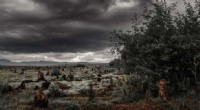
1. Climate: This encompasses the long-term weather patterns of a region, including temperature, precipitation, humidity, and wind. Climate directly influences the types of plants and animals that can survive in an ecosystem, as well as the overall structure and function of the ecosystem. For example, a tropical rainforest will have very different vegetation and animal life than a desert ecosystem.
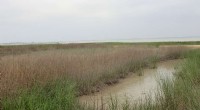
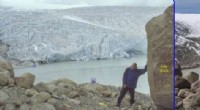
2. Geography: This refers to the physical features of a region, including topography, soil type, and elevation. These factors influence the availability of resources like water, sunlight, and nutrients, and therefore shape the types of organisms that can thrive in an ecosystem. For example, a mountainous region will have different plant and animal communities than a flat prairie.
Together, climate and geography interact to determine the unique characteristics of each terrestrial ecosystem.