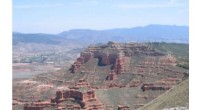
* Climate: Temperature changes, precipitation (rain, snow, ice), and wind all play a role in breaking down rocks (weathering) and moving the weathered material (erosion).
* Gravity: Gravity pulls materials downhill, contributing to erosion.
* Water: Flowing water, whether in rivers, streams, or oceans, can erode rock and transport sediment.
* Ice: Freezing and thawing of water can break down rock (frost wedging), and glaciers are powerful agents of erosion.
* Wind: Wind can carry sand and dust, abrading surfaces and moving sediment.
* Biological factors: Plants, animals, and even microorganisms can contribute to weathering and erosion through root growth, burrowing, and decomposition.
Unnatural forces can *accelerate* weathering and erosion, but they are not the primary drivers. Here are some examples:
* Human activities: Deforestation, mining, agriculture, and construction can expose soil and rock to increased weathering and erosion.
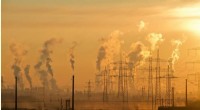
* Pollution: Acid rain, caused by air pollution, can accelerate the chemical weathering of rocks.
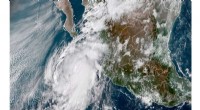
* Climate change: Extreme weather events, like hurricanes and floods, can cause significant erosion.
While these unnatural forces can have significant impacts on the landscape, it's crucial to remember that weathering and erosion are fundamental natural processes that shape the Earth's surface.