Here's a breakdown:
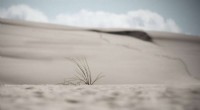
* Wind erosion: The wind picks up loose soil particles and carries them away. This is most common in dry, arid areas with little vegetation to hold the soil in place.
* Water erosion: Rainwater can create small channels (rills) that eventually become gullies. As water flows downhill, it picks up and carries away soil particles, leaving behind bare patches of land.
Factors that contribute to erosion:
* Lack of vegetation: Plants help hold the soil in place with their roots.
* Unprotected soil: Bare soil is more vulnerable to erosion.
* Heavy rainfall: Intense rain can create powerful runoff, leading to erosion.
* Strong winds: High winds can pick up and transport soil.
* Human activities: Agricultural practices like tilling and deforestation can increase erosion.
Consequences of erosion:
* Loss of topsoil: Topsoil is rich in nutrients and organic matter, essential for plant growth.
* Reduced agricultural productivity: Erosion can lead to lower crop yields and soil degradation.
* Sedimentation in waterways: Eroded soil can clog rivers and lakes, impacting aquatic life and water quality.
* Landslides and mudslides: Erosion can weaken slopes, making them prone to landslides.
It's crucial to understand and address erosion to protect our land and environment.