1. Food and Agriculture:
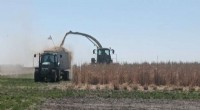
* Cropland: Areas with fertile soil and suitable climate, often associated with grasslands, savannas, and river valleys, support agriculture. This attracts populations who rely on farming for sustenance and economic activity.
* Pastoralism: Vast grasslands and steppes provide grazing land for livestock, supporting nomadic and semi-nomadic herding communities.
* Forestry: Forests offer valuable resources like timber, fuelwood, and medicinal plants. Communities may rely on these resources for subsistence, trade, and construction.
2. Water Availability:
* Forests and Vegetation: Vegetation influences rainfall patterns and water retention in the soil. Dense forests contribute to higher humidity and rainfall, while cleared areas can lead to desertification and water scarcity.
* Riverine Systems: Areas with significant river systems, often surrounded by lush vegetation, attract populations due to the availability of freshwater for drinking, irrigation, and transportation.
3. Climate Regulation and Shelter:
* Temperature Regulation: Trees and other vegetation help moderate temperature extremes, providing cooler shade in hot climates and windbreaks in harsh weather.
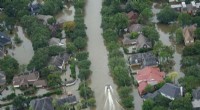
* Protection from Natural Disasters: Forests and other vegetation can act as natural barriers against erosion, floods, and landslides, contributing to the safety of communities.
4. Other Resources:
* Medicinal Plants: Many cultures have developed extensive knowledge of medicinal plants found in their local vegetation. This knowledge can be vital for healthcare and survival.
* Building Materials: Forests and other vegetation provide wood for construction, furniture, and other necessities.
5. Cultural and Religious Significance:
* Sacred Groves: Certain types of vegetation may hold cultural or religious significance for communities, influencing settlement patterns and land use.
* Symbolic Meaning: Vegetation can be associated with specific deities, rituals, or beliefs, shaping the way people interact with their environment.
Examples:
* Tropical Rainforests: Support diverse populations who rely on the abundance of food, medicinal plants, and timber.
* Mediterranean Regions: Dry, hot summers and mild, wet winters support olive groves, vineyards, and other agricultural activities.
* Arctic Tundra: Sparse vegetation limits human populations to small, scattered settlements with a focus on hunting and fishing.
In conclusion, vegetation plays a multifaceted role in influencing where people live. It provides essential resources, affects the climate, and often holds cultural significance. By understanding the connection between vegetation and human settlement, we gain insights into the complex relationships between humans and their environment.