Here's a breakdown:
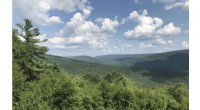
* Physiographic features are the physical and geological characteristics of a landscape. These features are formed over long periods due to geological processes like tectonic activity, erosion, deposition, and weathering.
* Landscape regions are large areas of land with distinct physiographic features, making them different from surrounding regions.
Examples of Physiographic Features:
* Landform: Mountains, valleys, plateaus, plains, hills, canyons
* Elevation: Altitude above sea level
* Slope: Steepness or gentleness of the land
* Drainage: Rivers, lakes, wetlands
* Vegetation: Forests, grasslands, deserts
* Soil type: Sandy, clay, loam
* Rock type: Sedimentary, metamorphic, igneous
* Climate: Temperature, precipitation
By analyzing these features, geographers can identify and differentiate between various landscape regions.
For instance, a mountainous region with high peaks, steep slopes, and alpine forests will be distinct from a flat, low-lying coastal plain with sandy beaches and salt marshes.