1. Air Circulation and Pollution Dispersion:
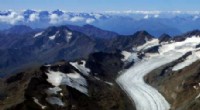
* Mountain breezes: During the day, the sun heats up the mountain slopes more quickly than the valley floor. This creates a difference in air pressure, pushing warm air upwards as a mountain breeze. This upward movement carries pollutants away from the valley floor, promoting better air quality.
* Valley breezes: At night, the mountain slopes cool faster than the valley floor. This reverses the air pressure difference, causing a cool valley breeze to flow down from the mountains towards the valley. This again helps to circulate air and remove pollutants.
2. Moisture Transport and Precipitation:
* Mountain and valley breezes play a role in transporting moisture from lower elevations to higher elevations. This can lead to increased cloud formation and precipitation in mountainous areas.
* These breezes can also help to moderate temperatures, reducing the severity of heat waves and cold snaps in both valleys and mountainous regions.
3. Ecosystem Health:
* Mountain and valley breezes are essential for the health of ecosystems in mountainous areas. They provide oxygen and nutrients to plants and animals, as well as helping to regulate temperature and humidity levels.
4. Climate Regulation:
* Mountain and valley breezes can contribute to regional climate regulation. By influencing air circulation and precipitation patterns, they can impact the overall climate of a region.
Overall, mountain and valley breezes are a natural phenomenon that plays a vital role in maintaining a healthy environment. They promote air quality, contribute to precipitation, support ecosystems, and contribute to climate regulation.