1. Paleoclimate Proxies:
* Ice Cores: By drilling into glaciers and ice sheets, scientists extract layers of ice that have been accumulating over centuries or even millennia. These layers contain trapped air bubbles, dust, volcanic ash, and isotopes, providing insights into past atmospheric composition, temperature, and even volcanic activity.
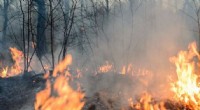
* Tree Rings: Each ring in a tree represents a year of growth, and its thickness and composition are influenced by climate conditions. Dendrochronology, the study of tree rings, can reveal past temperature, precipitation, and fire activity.
* Sediment Cores: Lake and ocean sediments contain layers of organic matter, pollen, and mineral deposits that reflect past environments. Studying these layers provides information about past vegetation, climate, and even sea level changes.
* Coral Reefs: Corals grow in layers, and their skeletons contain chemical signatures that reflect the temperature and salinity of the surrounding ocean water. These records provide valuable data on past ocean conditions.
* Speleothems: Stalactites and stalagmites in caves form over long periods, and their chemical composition can reveal information about past rainfall, temperature, and atmospheric composition.
2. Geological Evidence:
* Fossil Records: The distribution and types of fossils found in rocks can indicate the past climate and environment. For example, finding tropical plant fossils in a region now covered in ice suggests a past warmer period.
* Geomorphological Features: Features like glacial landforms (moraines, cirques), sand dunes, and river terraces can provide clues about past climates and environmental changes.
* Isotope Analysis: Analyzing the ratio of different isotopes (versions of an element) in rocks, sediments, and fossils can reveal information about past temperatures, precipitation, and even atmospheric carbon dioxide levels.
3. Historical Records:
* Written Records: Diaries, historical accounts, and even artwork can offer insights into past climate events, such as droughts, floods, and extreme weather.
* Instrumental Records: Meteorological data collected over the past century or more provide a more direct record of recent climate changes.
4. Computer Modeling:
* Climate Models: Using computer simulations, scientists can recreate past climate conditions by inputting data from proxy records and geological evidence. These models help to understand how different factors (like solar radiation, volcanic activity, and greenhouse gases) have influenced past climates.
By combining these different techniques, scientists can create a comprehensive picture of past climates, spanning from thousands to millions of years. This information is crucial for understanding the natural variability of Earth's climate system, and for predicting future climate change.