Environmental Impacts:
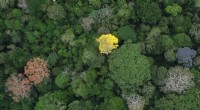
* Biodiversity Loss: Habitat destruction is the leading cause of extinction. As forests, wetlands, and coral reefs disappear, countless plant and animal species lose their homes, leading to a decline in biodiversity and ecosystem stability.
* Climate Change: Deforestation, particularly of rainforests, plays a major role in climate change by reducing carbon absorption and releasing stored carbon dioxide into the atmosphere. This exacerbates global warming, leading to extreme weather events, sea level rise, and changes in precipitation patterns.
* Water Scarcity: Destruction of natural water filters like wetlands and forests leads to increased pollution and reduced water quality. This, combined with over-extraction of groundwater, contributes to water scarcity and conflicts over water resources.
* Soil Degradation: Overgrazing, deforestation, and improper agricultural practices lead to soil erosion, desertification, and loss of soil fertility. This reduces agricultural productivity and impacts food security.
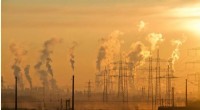
* Pollution: Pollution from industrial activities, mining, and waste disposal contaminates water sources, air, and soil, harming human health and ecosystems.
* Natural Disasters: Deforestation and degradation of coastal ecosystems increase vulnerability to natural disasters like floods, landslides, and storms.
Human Impacts:
* Food Security: Loss of agricultural land and soil degradation threaten food security, potentially leading to famines and food shortages.
* Health Impacts: Air and water pollution, coupled with the spread of diseases due to habitat destruction, leads to increased rates of respiratory illnesses, waterborne diseases, and other health problems.
* Economic Impacts: Loss of natural resources reduces economic opportunities and contributes to poverty, particularly in developing countries reliant on natural resource extraction.
* Social Impacts: Environmental degradation can lead to displacement, migration, and social unrest, as communities struggle to adapt to changing conditions.
* Ethical Responsibility: The destruction of natural environments raises ethical concerns about our responsibility to future generations and the inherent value of biodiversity.
Addressing the Problem:
* Conservation: Protecting remaining natural ecosystems and establishing new protected areas is crucial for preserving biodiversity and ecosystem services.
* Sustainable Practices: Promoting sustainable agriculture, forestry, and energy production helps reduce environmental impact and ensure resource availability for future generations.
* Renewable Energy: Shifting away from fossil fuels towards renewable energy sources like solar and wind power can help mitigate climate change and reduce pollution.
* Waste Reduction and Recycling: Reducing waste and implementing effective recycling programs reduces the need for landfilling and resource extraction.
* Education and Awareness: Raising awareness about the importance of environmental protection and sustainable practices is critical for fostering individual and collective action.
The destruction of natural environments is a multifaceted issue with far-reaching consequences. Addressing this problem requires a collective effort to promote sustainable practices, conserve natural resources, and protect the planet for current and future generations.