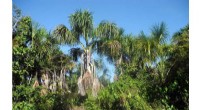
Here's a breakdown of key characteristics and the importance of emergent trees:
Characteristics:
* Tallest in the forest: They dominate the skyline and stand out from the rest of the canopy.
* Often pioneer species: They are often early colonizers of open areas and can tolerate high levels of sunlight.
* Unique adaptations: They possess adaptations to thrive in their exposed environment, such as:
* Strong, buttressed trunks: Provide stability against strong winds.
* Deep root systems: Anchor them in the ground and access water and nutrients.
* Broad, spreading canopies: Capture maximum sunlight.
* Home to diverse fauna: They provide habitat for various animals, birds, and insects that rely on their unique environment.
Importance:
* Biodiversity: They contribute to the diversity of plant and animal life in the forest, providing niches for specialized species.
* Habitat for wildlife: Their elevated position offers shelter and nesting sites for many animals.
* Seed dispersal: They facilitate seed dispersal by wind and birds, helping to regenerate the forest.
* Windbreaks: They protect the forest from wind damage and provide shade to the lower canopy.
* Microclimate: They influence the microclimate of the forest, creating areas of higher light and humidity.
Examples of Emergent Trees:
* Giant sequoia (Sequoiadendron giganteum)
* Redwood (Sequoia sempervirens)
* Douglas fir (Pseudotsuga menziesii)
* Brazilian nut tree (Bertholletia excelsa)
* Kapok tree (Ceiba pentandra)
Note: The term "emergent tree" can also be used in other contexts, such as describing the growth pattern of trees in urban environments or the re-emergence of trees after a forest fire. However, its most common usage is in reference to the tallest trees in a forest canopy.