Environmental Benefits:
* Climate Regulation: Forests act as massive carbon sinks, absorbing CO2 from the atmosphere and mitigating climate change.
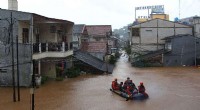
* Water Cycle Regulation: Forests regulate water flow, preventing floods and droughts, and maintaining water quality.
* Biodiversity Preservation: Forests are home to a vast array of species, providing habitat and resources for countless animals and plants.
* Soil Conservation: Forest vegetation protects soil from erosion and degradation, ensuring soil fertility and productivity.
* Air Quality Improvement: Trees filter pollutants from the air, reducing air pollution and improving human health.
* Natural Disaster Mitigation: Forests act as buffers against natural disasters like landslides and wildfires, protecting communities and infrastructure.
Economic Benefits:
* Sustainable Resource Management: Forests provide valuable resources like timber, medicinal plants, and food, which can be sustainably harvested for economic benefits.
* Tourism and Recreation: Forests provide opportunities for tourism, recreation, and eco-tourism, boosting local economies.
* Increased Property Value: Well-maintained forests can increase property value and attract investments.
* Job Creation: Forest conservation initiatives can create jobs in sectors like forestry, conservation, and research.
Social Benefits:
* Cultural Heritage Preservation: Forests often hold cultural and spiritual significance for local communities, preserving indigenous traditions and knowledge.
* Improved Health and Well-being: Spending time in forests has been linked to improved mental and physical health.
* Community Empowerment: Forest conservation initiatives can empower local communities to manage and protect their natural resources.
* Economic Costs: Implementing conservation measures can be expensive, requiring funding for land acquisition, monitoring, and enforcement.
* Loss of Jobs: Some conservation efforts may displace jobs in industries like logging or mining, potentially leading to economic hardship for affected communities.
* Conflicts with Land Use: Conservation efforts can sometimes conflict with other land uses, such as agriculture, development, or infrastructure projects.
* Limited Access to Resources: Conservation can restrict access to forest resources, potentially hindering economic development in some areas.
* Challenges in Enforcement: Enforcing conservation regulations can be challenging, especially in remote or politically unstable areas.
* Potential for Displacement: Conservation initiatives can sometimes lead to displacement of local communities, particularly those who depend heavily on forest resources for their livelihoods.
It is important to note that the advantages and disadvantages of forest conservation are complex and can vary depending on the specific context and implementation strategies. Finding a balance between conservation and development is crucial to ensure sustainable management of forest resources and benefits for both the environment and people.