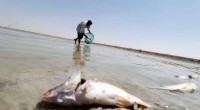
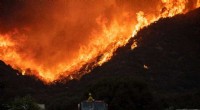
* Natural Indicators: Animals have evolved to be highly attuned to subtle shifts in the environment. They react to barometric pressure, temperature, wind, and humidity changes long before humans can often detect them. Their behavior can act as a sort of early warning system.
* Behavioral Patterns: Many animal behaviors are linked to specific weather conditions. For example:
* Birds: Some species fly lower to the ground before storms, seeking shelter. Others gather in large flocks, likely due to changes in air pressure.
* Insects: The appearance of certain insects, such as locusts, can signal droughts or other extreme weather events.
* Mammals: Animals like squirrels bury nuts earlier than usual when they sense a harsh winter approaching.
* Folklore and Tradition: These observations passed down through generations became ingrained in folk wisdom and culture, forming the basis of many weather proverbs. These proverbs helped people survive in a world where weather prediction was crucial for farming, hunting, and daily life.
Here are some examples of weather proverbs involving animals:
* "When the cows lie down, rain is coming." (This is based on the observation that cattle often seek shelter when the air pressure drops, which is a sign of approaching storms.)
* "Red sky at night, sailor's delight; red sky at morning, sailor's warning." (This proverb references the color of the sky reflecting sunlight through high-altitude clouds, which can predict approaching weather patterns.)
* "If the groundhog sees his shadow, winter will last six more weeks." (This famous proverb suggests that the groundhog's behavior on Groundhog Day reflects the duration of winter, though scientific evidence doesn't support this.)
In summary, weather proverbs featuring animals reflect our ancestors' deep connection with nature and their ability to observe and interpret animal behavior as a way to predict upcoming weather conditions.