1. Altitude and Topography:
* Elevation: Higher altitudes experience colder temperatures due to thinner atmosphere and lower air pressure. Mountains act as barriers to air movement, creating rain shadows on the leeward side, resulting in drier conditions.
* Topography: Slopes facing the sun (south-facing in the Northern Hemisphere) receive more direct sunlight, leading to warmer temperatures compared to shaded slopes. Mountain ranges can channel winds, creating localized wind patterns and altering precipitation patterns.
2. Vegetation Cover:
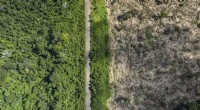
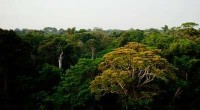
* Forests: Forests act as natural air conditioners, absorbing sunlight and releasing water vapor through transpiration, which cools the surrounding air. They also reduce wind speeds and prevent soil erosion, contributing to stable microclimates.
* Grasslands: Grasslands can significantly affect albedo (reflectivity), influencing how much solar radiation is absorbed or reflected back into the atmosphere. They also play a role in water cycling, influencing evaporation and runoff.
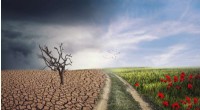
* Deserts: Sparse vegetation cover in deserts leads to high albedo, reflecting more solar radiation and contributing to high temperatures. The lack of vegetation also reduces evapotranspiration, resulting in dry conditions.
3. Water Bodies:
* Oceans: Oceans have a high heat capacity, moderating coastal temperatures and influencing precipitation patterns. Warm ocean currents can transport heat to higher latitudes, moderating winter temperatures.
* Lakes and Rivers: Similar to oceans, these water bodies act as thermal regulators, influencing local temperatures and wind patterns. They can also contribute to humidity through evaporation.
4. Urbanization:
* Urban Heat Island Effect: Concrete and asphalt absorb more heat than natural surfaces, creating urban heat islands with higher temperatures than surrounding areas. This can further influence local precipitation patterns and create localized microclimates.
* Altered Wind Patterns: Buildings and other structures can disrupt wind flow, creating localized wind patterns that affect air circulation and potentially air quality.
5. Land Use Practices:
* Agriculture: Deforestation and agricultural practices can impact soil moisture, albedo, and evapotranspiration, influencing local and regional climates.
* Urban Development: Urbanization leads to changes in surface cover, altering heat absorption and reflection, and influencing local wind patterns and precipitation.
In summary, landscape features and human-induced changes can significantly modify climate at various scales. Understanding these interactions is crucial for managing resources, adapting to climate change, and planning for sustainable development.