Air Pollution:
* Respiratory problems: Airborne pollutants like particulate matter, ozone, and sulfur dioxide can cause lung diseases, asthma, and respiratory infections.
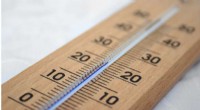
* Climate Change: Greenhouse gases like carbon dioxide trap heat in the atmosphere, leading to global warming, extreme weather events, and rising sea levels.
* Acid Rain: Sulfur dioxide and nitrogen oxides react with water in the atmosphere, forming acidic rain that harms forests, lakes, and buildings.
* Reduced visibility: Smog and haze can obscure visibility, impacting transportation and recreation.
Water Pollution:
* Contaminated Drinking Water: Industrial waste, agricultural runoff, and sewage can contaminate water sources, making it unsafe for drinking and other uses.
* Harm to Aquatic Life: Pollutants can poison fish, shellfish, and other aquatic organisms, disrupting ecosystems and food chains.
* Eutrophication: Excess nutrients from fertilizers and sewage can cause algal blooms, depleting oxygen levels and killing fish.
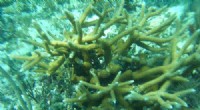
* Ocean Acidification: Increased carbon dioxide absorbed by the ocean makes it more acidic, harming marine life, particularly corals and shellfish.
Soil Pollution:
* Reduced Soil Fertility: Pollutants like heavy metals and pesticides can reduce soil fertility, impacting crop yields and food production.
* Contaminated Food Chain: Pollutants can be absorbed by plants and then accumulate in the food chain, posing health risks to humans and wildlife.
* Habitat Loss: Soil pollution can destroy habitats for plants and animals, leading to biodiversity loss.
Other Impacts:
* Human Health: Pollution can cause various health problems, including cancer, heart disease, and birth defects.
* Economic Loss: Pollution damages infrastructure, reduces crop yields, and impacts tourism and recreation, leading to economic losses.
* Climate Change: Pollution contributes to climate change, which has a wide range of negative impacts on ecosystems, human health, and economies.
What can we do?
* Reduce our consumption: By using less energy, water, and materials, we can reduce pollution.
* Choose sustainable products: Opt for products made with recycled materials and that are environmentally friendly.
* Support green businesses: Patronize businesses that prioritize sustainability and environmental protection.
* Advocate for change: Speak out against pollution and support policies that protect our environment.
By understanding the consequences of pollution and taking action to reduce our impact, we can help protect our planet for future generations.