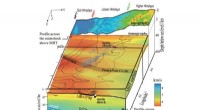
* Geology: Studies the Earth's solid, non-living components like rocks, minerals, landforms, and the processes that shape them.
* Oceanography: Focuses on the Earth's oceans, including their physical, chemical, biological, and geological aspects.
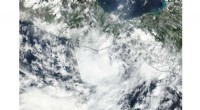
* Meteorology: Studies the Earth's atmosphere, weather patterns, and climate.
* Climatology: Studies the Earth's climate, its changes over time, and the factors that influence it.
* Hydrology: Studies the Earth's water resources, including surface water, groundwater, and the water cycle.
* Geochemistry: Studies the chemical composition of the Earth and its processes.
* Geophysics: Studies the Earth's physical properties, including its internal structure, magnetic field, and seismic activity.
* Paleontology: Studies the history of life on Earth through fossils.
* Soil Science: Studies the formation, properties, and management of soils.
* Environmental Science: Studies the interactions between humans and the environment, focusing on issues like pollution, climate change, and resource management.
These branches are interconnected and often overlap in their studies. For example, geologists may use tools and principles from geophysics to study the Earth's interior, while oceanographers might employ knowledge of meteorology to understand the movement of ocean currents.